

ADVERTISEMENT:
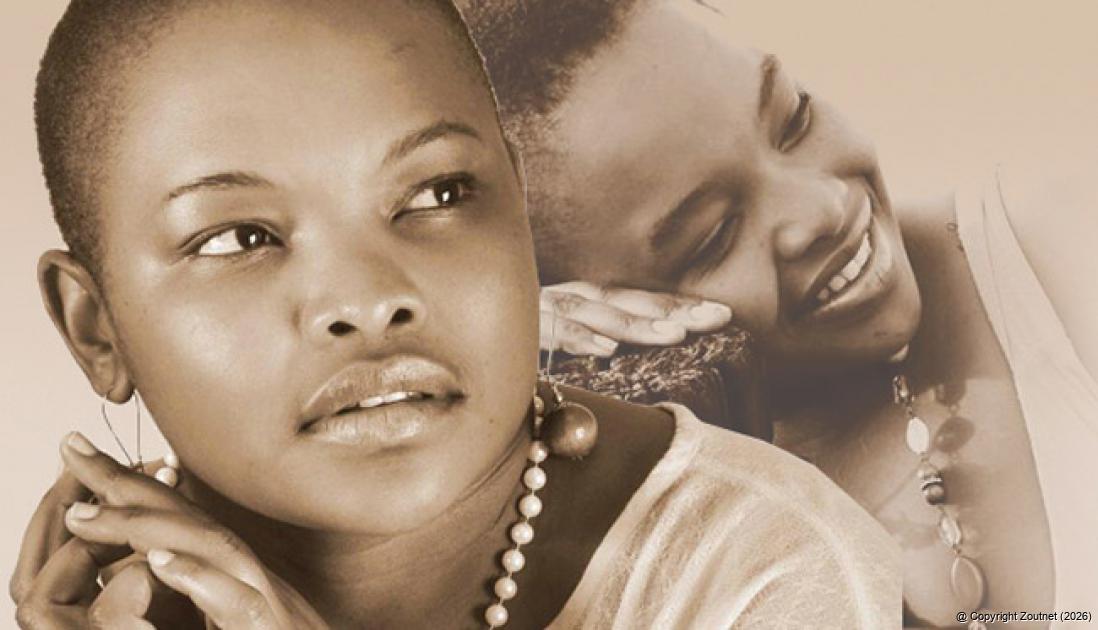
Muofhe Lavine Mulovhedzi
Muofhe’s book boldly explores difficult themes
Entertainment Date: 16 October 2015
Literature
Thousands of fans and followers of the esteemed musician Muofhe Lavine Mulovhedzi would be amazed if any art reviewer made a claim that her singing talent was nothing compared to her writing.
This does not suggest that her music is not good, as everyone who has listened to her sounds will attest that, stylistically, she is in a league of her own.
Muofhe recently launched her debut novel, Waiting On Tomorrow, at the Thulamela library.
Here is a brave young writer who has not only written a good story but also a controversial tale of rape, ruthlessness, confusion, justification, victimisation, hatred, vengeance, repentance and forgiveness. Waiting on Tomorrow is not to be judged by the extent of the coverage it received in the media and on social networks. People should rather procure a copy of the book from their nearest bookshop and see if they can remain untouched by this woman’s prose, plot and the story as a whole.
The book tells the story of a 17-year-old girl, Selomo, who is left pregnant as the result of a rape. “Everyone around her feels the pregnancy must be aborted to wipe away the shame of the rape,” Muofhe says. At some stage, even Selomo thinks it’s a good decision to abort the child. However, her hopes of terminating the pregnancy are dashed when Zeka, the young man who raped, her finds out and demands to be part of the pregnancy.
“He seems in love with the idea of having the child,” says Muofhe. “Zeka goes out of his way to convince her that he wants the child and to protect both of them. He tries to show her his other side. She begins to lose her fear and finds comfort around him. She has to justify keeping her child to her family, who wants it aborted or adopted. No one wants the child to survive, not even the pastor at her church.” The warpath between Selomo’s father and Zeka’s gang begins. On the other side, Zeka’s family has the audacity to visit Selomo’s family.
“We are here regarding the matter of our son, Muzikababa. He tells us he plucked a flower in this household,” said one of the men.
“In my house?” my father asked, turning red from anger.
“Yes,” the man answered. “He says she is with child, a son from the Khuzwayo clan.”
“Please, Bagolobaka,” my father pleaded calmly with rage. “Don’t come and insult me in my house. Your son didn’t pluck any flower here. He savagely assaulted my daughter and now her whole future is ruined. You have some nerve coming to my house and trying to claim a son from us.”
From the above text, however painful and dark the tone seems, Muofhe’s strength of a writer is clearly seen in how she puts the words together to render her prose. As a prose writer, she is a force that many writers who came before her would just sit back and look at her with total envy. This novel interrogates societal norms and values which parents instill into children and shed light on the consequences of failure to embrace those values. In this novel, the entire community is in turmoil because of the act of one child – Zeka.
Muofhe hopes that, by February next year, her book will have reached all major stores nationwide.
Written by
Tshifhiwa Mukwevho
Tshifhiwa Given Mukwevho was born in 1984 in Madombidzha village, not far from Louis Trichardt in the Limpopo Province. After submitting articles for roughly a year for Limpopo Mirror's youth supplement, Makoya, he started writing for the main newspaper. He is a prolific writer who published his first book, titled A Traumatic Revenge in 2011. It focusses on life on the street and how to survive amidst poverty. His second book titled The Violent Gestures of Life was published in 2014.

ADVERTISEMENT: