

ADVERTISEMENT:
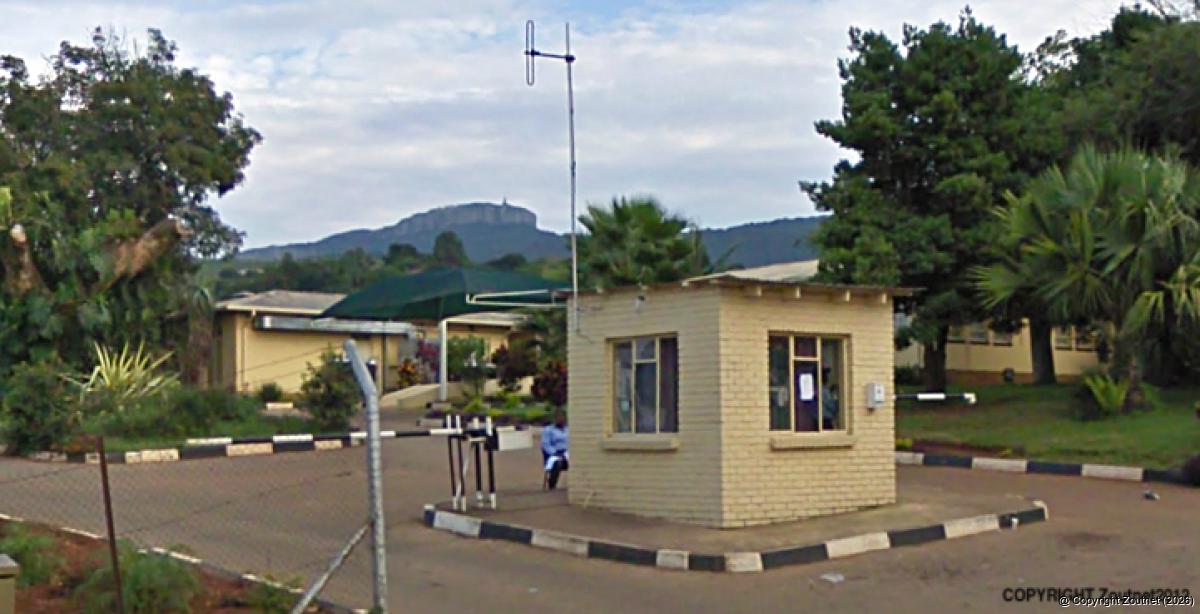
Report slams state hospital
News Date: 03 September 2012
Unkempt and unhygienic ... Not words you would want to associate with a hospital, but this is exactly the situation at the Louis Trichardt Memorial Hospital.
The Zoutpansberger managed to obtain a copy of the hospital board’s most recent report on the general state of affairs at this state hospital, and it makes for some shocking reading. The report follows the board’s visit to the hospital on 17 July. The board itself consists of elected members of the public as appointed by the MEC for Health and Social Development. A copy of their report was submitted to the hospital two weeks ago.
The report starts off by stating that the hospital’s guards, appointed to safeguard the safety of staff and patients, seen against the backdrop of several violent assaults and murders at state hospitals over the past few years, “have difficulty communicating in English (none of them could understand or speak Afrikaans). Only three guards were on duty at the main gate. One was supposed to be roaming the grounds, but could not be found. The safety gate at the maternity ward was unguarded.”
As for general appearance, the conclusion was that the grounds were in an unkempt state. “Plastic bags, condom wrappers and paper were lying around the area.”
Although the appearance of the staff was, according to the report, generally good “... very few of them were busy in the wards. While we waited for the CEO (approximately 25 minutes) there was nobody in the accounts office (from 14h00 till 14h30). When we started the inspection, the office was still empty. The same at 16h00,” reads the report.
With regard to the availability of equipment, medicine and cleaning materials, the situation at the hospital is dire.
“No apparatus for testing blood sugar. Two pints (of) emergency blood were available. There was no toilet paper, paper towels, tissues, antiseptics, [or] paper for the ECG machine. In the afternoon, there are no doctors on duty. In the mornings, there may be two on duty.
“Shortages [medicine] are extreme. The medicine cabinet keys are hanging in the locks. There appears to be no control of drug cabinet keys. In the whole hospital there is one small bar of soap, which the staff bought. Latex gloves are in short supply (at one stage nurses were issued one pair per day).
“In general state of disrepair [equipment]. Autoclave machines are all broken. All equipment is taken to Malamulele hospital to be sterilized. All laundry washing machines are broken ...,” the report concludes, among other things.
Although the above already places a serious question mark over hygiene at the hospital, the greatest reason for concern was the lack of water at the facility.
“There is no water at the hospital, except for a few litres that are brought in each morning. The 10 000 litre water tank has not been filled since January. The borehole pump is broken. There is no soap, detergents, antiseptics at all,” the board found. This begged the question, how do staff wash their hands, flush toilets and keep the hospital clean?
In the maternity ward, the situation looked just as bleak.
“As mentioned, there is a shortage of gloves, towels etc. The delivery rooms were fairly clean, except for the covers on the delivery tables, which were extremely dirty. There are approx. 150 deliveries per month (no actual data exist). When the beds are all in use, the couches in the waiting room must suffice. There are insufficient beds, linen, blankets, and pillows. Maternity linen room almost empty ...,” the report states, adding that the general ward linen room was completely empty. In the paediatrics ward, the isolation room did not have any doors.
“There is no way of containing infectious diseases. Mothers are sleeping in cots.”
The board stated that the hospital is functioning far below general standards and was of the opinion that the hospital’s acting CEO, Ms Connie Raulinga, was not capable of running the hospital.
The situation at the hospital is, however, nothing new. The board’s report bears striking similarities to the findings of the Parliamentary Portfolio Committee on Health’s visit to the hospital almost exactly a year ago, from 10 to 12 August 2011. The committee also highlighted problems with regard to safety, hygiene, the control of infectious diseases, inadequate equipment and medicine shortages. Following the committee’s visit, Raulinga made several undetakings to address the problems. It would seem, however, as if the situation went from bad to worse.
Asked to comment on the hospital board’s findings, the provincial spokesperson for Health and Social Development, Ms Sinenhlanhla Gumede, said that neither the MEC nor the department’s district executive manager had any knowledge of the board’s findings as the board had not formally submitted the report to them.
“What we will do now is wait for the board to officially submit the report to the mentioned authorities. Our evaluation committee did visit the hospital in May this year, made several recommendation and are awaiting the quality improvement plan from the hospital. The deadline for this is 31 August. The evaluation committee was very concerned with what they found at the hospital,” Gumede said, adding that the report was a true and honest reflection of what was happening at the hospital.
Asked how the provincial department planned to address the problems at the hospital, Gumede said that the hospital still faced many challenges. “That is why the evaluation committee is following the process closely and working tirelessly to improve the situation,” Gumede said.
As for the water crisis at the hospital, Gumede said that they would liaise closely with the Makhado Municipality in this regard. “It is a priority that we get water into the facility,” she said.
With regard to the shortages of medicine and cleaning materials, Gumede said that they were getting there. “We have really progressed from where we were in January to March, when there were absolutely just the bare necessities. The situation is improving day by day. We now have a very dedicated team working at our pharmaceutical depot. The challenge is that some hospitals wait until almost nothing is left before they order. They should order in advance. The department would like to encourage the hospital, as with all hospitals, to order in time."
Regarding the board’s opinion that Raulinga is not capable of running the hospital, Gumede said that if and when they received the board’s report, they would investigate all aspects of the report.
Written by
Andries van Zyl
Andries joined the Zoutpansberger and Limpopo Mirror in April 1993 as a darkroom assistant. Within a couple of months he moved over to the production side of the newspaper and eventually doubled as a reporter. In 1995 he left the newspaper group and travelled overseas for a couple of months. In 1996, Andries rejoined the Zoutpansberger as a reporter. In August 2002, he was appointed as News Editor of the Zoutpansberger, a position he holds until today.

ADVERTISEMENT: