

ADVERTISEMENT:
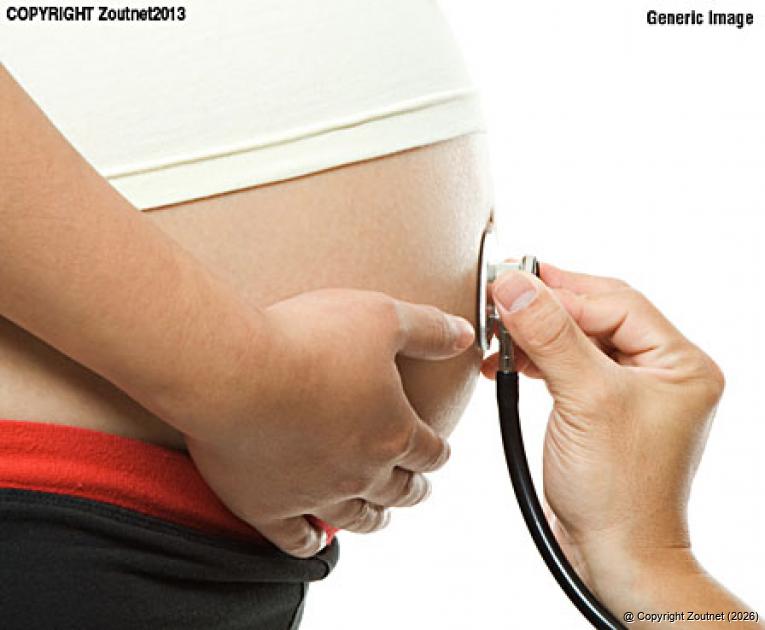
generic image
No more C-sections at Beit Bridge
News Date: 19 April 2013
Beit Bridge District Hospital has temporarily stopped offering caesarean section operations, following the breakdown of its medical autoclave machine, forcing scores of local pregnant women to travel to Musina and other local towns for the operation.
The machine, which is an essential laboratory device that is used to sterilise medical equipment to avoid infections during surgical operations, broke down in January. The local chief medical director, Dr William Busumani, said although they had managed to acquire a new device, the contracted supplier was now delaying in sourcing some of the required components.
“The autoclave machine at Beit Bridge District Hospital is not functioning because we are still waiting for our supplier to source some parts from South Africa, which are needed for it to work. The problem is that we have hard water in Beit Bridge, which needs to be purified first. Therefore, if we operate our autoclave machine under such conditions, it would easily get damaged and that would be costly for us to repair,” Busumani said. He said delays in addressing the problem continued to impact negatively on the hospital's daily operations.
“The hospital foots the ambulance bill to transfer those admitted pregnant women seeking the operation in other towns. That in itself is a strain to us and we urge the supplier to speed up the procurement of the required components,” Busumani said.
However, local pregnant women seeking a caesarean section who have not been admitted at the hospital, are forced to use their own funds to be ferried to other towns while others resort to crossing the border to neighbouring Musina.
Meanwhile, Busumani said they had also finished refurbishing the hospital mortuary. “It can now accommodate 26 bodies at a given time,” he said. Prior to the latest development, the mortuary had a capacity of accommodating six bodies. However, due to the ever increasing number of unclaimed bodies, mostly unidentified border jumpers, about 60 bodies would pile up, resulting in a constant breakdown of machinery due to the strain on its cooling system.
Last year, the hospital received US$2 million for the refurbishment of medical equipment and the procurement of drugs and other medical supplies. The funds were allocated to the hospital by the Ministry of Finance under the Targeted Approach Programme.
Written by
Mashudu Netsianda
Mashudu Netsianda is our correspondent in Beit Bridge, Zimbabwe. He joined us in 2006, writing both local and international stories. He had worked for several Zimbabwean publications, as well as the Times of Swaziland. Mashudu received his training at the School of Mass Communication in Harare.

ADVERTISEMENT: