

ADVERTISEMENT:
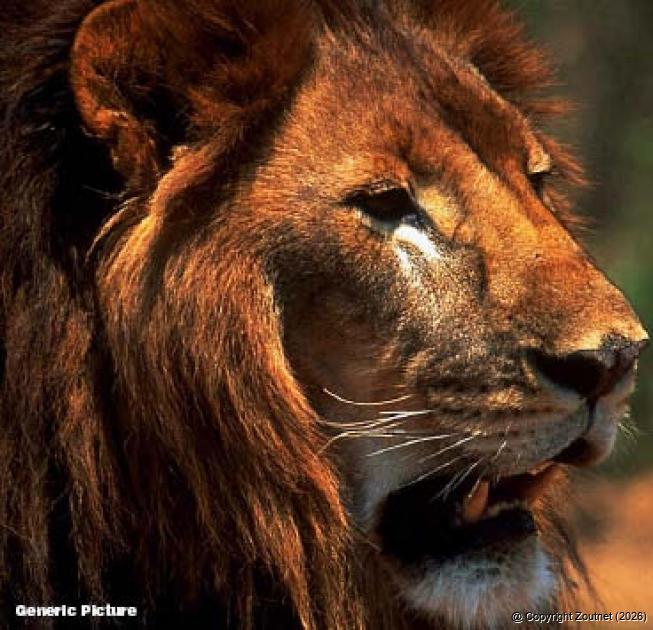
Generic image
Stray lions attack domestic animals at Beit Bridge
News Date: 10 January 2014
Beit Bridge villagers at Tshikwalakwala area near the Zimbabwe-South Africa border are living in fear, following reports that another pride of stray lions has surfaced in the village.
According to villagers, the lions have so far killed 12 cattle and 10 donkeys in the last four months. They suspectedly originated from the Kruger National Park.
The local ward councillor, Enock Ndou, confirmed the latest development to Limpopo Mirror, saying villagers in the affected areas were losing donkeys and cattle to the lions. “We have a serious problem of stray lions, which have descended on Tshikwalakwala and surrounding areas. Last week, the lions killed three donkeys," said Ndou.
Ms Molly Chauke, a local villager, said that they continued to endure "the pain of losing our livestock. This problem has been going on for years and there seems to be no end in sight.”
Ndou added that the issue had since become a perennial problem and "we are appealing to the relevant authorities to address this problem as a matter of urgency before villagers lose their lives.”
Beit Bridge is a drought-prone district and local farmers largely rely on cattle ranching as the major economic activity.
Ndou said although there were no reports of human deaths, the animals were now a posing a threat to children, particularly those travelling long distances to school.
Over the years, villagers have been encountering a similar problem. At the beginning of last year, villagers at neighbouring Shashane village lost more than 20 cattle and several donkeys to the lions. In the same year, elephants had descended on Shashane and Tshamaswiswi, where they destroyed crops. In May 2010, the elephants also killed three people, among them a pregnant woman and her three-year-old toddler.
Written by
Mashudu Netsianda
Mashudu Netsianda is our correspondent in Beit Bridge, Zimbabwe. He joined us in 2006, writing both local and international stories. He had worked for several Zimbabwean publications, as well as the Times of Swaziland. Mashudu received his training at the School of Mass Communication in Harare.

ADVERTISEMENT: