

ADVERTISEMENT:
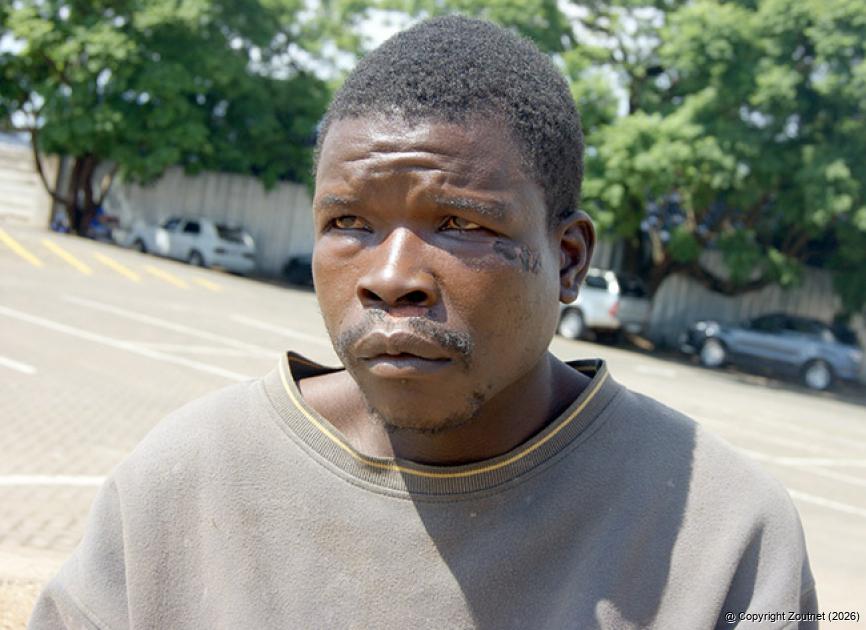
Desperate Ralebani “needs professional help”
News Date: 13 February 2015
Last week the Limpopo Mirror carried the front-page story of Rabelani Mutandari (32), who attempted to hang himself in the central business district in Makhado town. This followed after a group of intoxicated boys had allegedly robbed him of R20 and assaulted him. He had torn his maroon T-shirt into strips and gone straight to a tall tree to hang himself. However, townspeople came to his rescue.
A Thohoyandou-based social worker in private practice, Ms Bridget Mugivhi-Ramaite, gave an in-depth response to Rabelani's repulsive action and traumatised situation. She indicated that there were emotional reasons for Rabelani to decide to hang himself rather than reporting the matter to the police or fighting back.
“Assault and robbery are some of the many traumatic events people experience,” she said. “The reality is, however, that people react in different ways after experiencing traumatic events. People are likely to become traumatised if the incident happened unexpectedly - they were unprepared for it, they felt powerless to prevent it or if someone was intentionally cruel. This tells us that it is not the objective facts that determine whether an event is traumatic, but a person’s subjective emotional experience of the event,” she said.
According to Mugivhi-Ramaite, a traumatic event doesn’t only affect a victim; witnesses to such incidents may also be greatly distressed by the same event.
“We should therefore never judge the victim’s response against our own response or anyone else’s, because everyone’s response to trauma is unique and different,” she stated. “Symptoms of trauma include and are not limited to suicidal thoughts and feelings, depression, hopelessness, helplessness, anger, irritability, aggression and outbursts, sleep disturbances, substance abuse, and feeling alienated and alone.”
She indicated that trauma leaves one feeling powerless and vulnerable. “A traumatised person needs an environment that makes him or her feel comfortable and safe, where they feel respected and understood,” she said. “To some traumatised people, the police station and police officers may not meet these expectations.”
Mugivhi-Ramaite said that the young people who robbed and assaulted Rabelani also needed professional assessment and intervention.
She advised Rabelani to seek assistance in order to become a survivor. “The steps for healing include asking for support by talking to a trusted and non-judgemental family member, friend or counsellor,” she said. “He should also avoid isolation by participating in social activities, even if he doesn't feel like it. Joining a support group for trauma survivors and taking care of his health by avoiding alcohol and drugs will also help.”
Songozwi Victim Empowerment Programme's chairperson, Mr Tshinyalani Matumba, said the centre's gates were always wide open to victims like Rabelani to come and get assistance. “We have a staff of well-trained victim supporters who treat each case and attend to each victim in confidence,” he said.
Rabelani currently lives in Makhado. However, he is a resident of Muswodi-Tshisimani.
Written by
Tshifhiwa Mukwevho
Tshifhiwa Given Mukwevho was born in 1984 in Madombidzha village, not far from Louis Trichardt in the Limpopo Province. After submitting articles for roughly a year for Limpopo Mirror's youth supplement, Makoya, he started writing for the main newspaper. He is a prolific writer who published his first book, titled A Traumatic Revenge in 2011. It focusses on life on the street and how to survive amidst poverty. His second book titled The Violent Gestures of Life was published in 2014.

ADVERTISEMENT: