

ADVERTISEMENT:
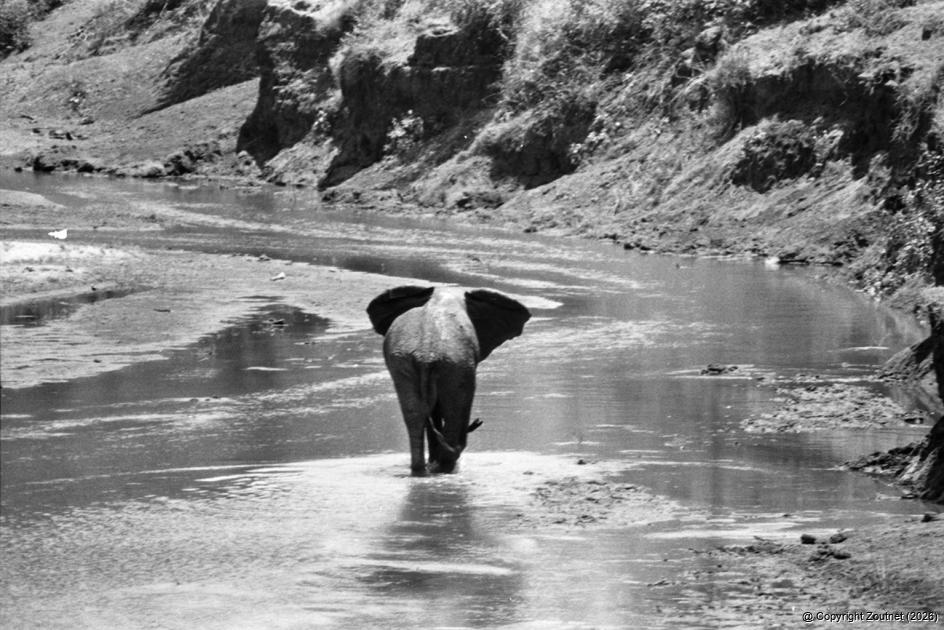
The 1964 Pentax Spotmatic took a trip to Pafuri.
The highs and lows of vintage photography exposed
News Date: 30 October 2016
The past weekend’s heritage photographic excursion delivered a number of surprises, and not necessarily for the stunning pictures that came about. In most cases the photographers were left disappointed, after the cameras showed their disgust with the idea of now working after several decades of relaxing.
To spare the photographers some embarrassment, we will focus on discussing the cameras. Some of them were brilliant, but some really showed a tendency to throw tantrums.
The winner by far in terms of performance (considering age) was the Voigtländer Bessa dating from roughly 1937. This camera uses 120 film and produces a 6x9 inch negative. Almost 80 years later it produces crisp and clear images and works perfectly. Second place probably belongs to the Yashica D TLR, dating from 1958, that travelled to Mopane to capture some stunning images.
The other “achievers” were the 1929 Kodak Brownie (the famous Maroon one) and the 1965 Nikkormat FtN. Both soldiered on, with shutters firing on demand without any fuss. The 1964 Pentax Spotmatic took a trip to Pafuri and apparently enjoyed capturing the elephants in the Limpopo River.
The “unfortunate” one was the 1898 Kodak No 4 Cartridge. Because this camera does not take a standard size film, a special plan had to be devised. The printing company was generous enough to make some litho film available, which was specially cut to fit the oversized cartridge. The camera worked hard on Saturday, visiting places such as Alldays and Waterpoort, patiently capturing images. Unfortunately, all went wrong the next day when the film was developed. The film bypassed some rollers in the processor and ended up in the bottom of the development tank. When it was eventually rescued, none of the images remained.
The “mischievous ones” were the Minolta SR7 (dating from 1962) and the Minolta SRT101. The SR7 seemed to be quite happy, especially after a Makinor 400mm mirror lens was adapted to fit the camera. Only afterwards did it become apparent that the camera was out to take revenge. When the film was developed it showed that the shutter only worked below 1/60th of a second. Anything faster would simply produce a blank. The SRT101 was less obvious, and probably suffered some reputational damage because of a faulty lens. The lens caused part of the image to be obscured.
Perhaps a camera that needs a special mention was the 1955 Traveller twin-lens reflex camera. These cameras were the “Volkswagen Beetles” of their time and were mass-produced in Hong Kong. Sixty years later, the camera soldiers on, still producing reasonable photos.
The photographers who joined the excursion all thoroughly enjoyed the experience. Most admitted that it is not easy to take good photographs with such old cameras, but it is a lot of fun.
Anyone interested in joining a future excursion can contact Anton, Isabel or Andries at (015) 516 4996/7. It is not necessary to have an antique camera (there are plenty at the newspaper’s office), merely an interest in this type of photography.
Written by
Anton van Zyl
Anton van Zyl has been with the Zoutpansberger and Limpopo Mirror since 1990. He graduated from the Rand Afrikaans University (now University of Johannesburg) and obtained a BA Communications degree. He is a founder member of the Association of Independent Publishers.

ADVERTISEMENT: