

ADVERTISEMENT:
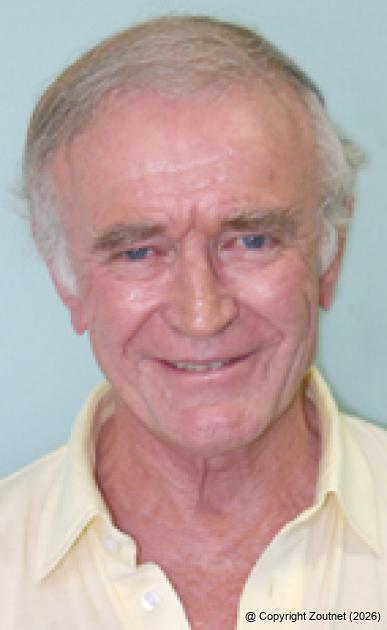
Mr Alistair Stewart from the Molozi Trust who invited a world expert in tree diseases to do research in the region and address the community on March 2.
World expert visits Soutpansberg to discuss tree diseases
News Date: 24 February 2006
A leading tree disease expert is visiting the Soutpansberg next week. Tree diseases are the cause of substantial losses in the forestry industry.
Some research confirms that more than 20% of fruit and nut production is lost through tree diseases each year. In forestry, the average hectare loss each year over the last years is 12 000ha through insects and diseases, which is slightly less than the 13 000ha average loss through fire.
Mr Alistair Stewart of Molozi Trust Forestries organized a visit by Dr Jolanda Roux who is a world expert on tree diseases. She heads up the tree disease programme at the FABI (Forest and Agriculture Biotechnology Institute) based at Pretoria University. On March 2, Dr Roux’s presentation, demonstration and explanations will be open to the whole community.
“So far, no one in the Soutpansberg has used FABI, which has a world-class pest and disease research program,” says Mr Stewart, who organizes this project to benefit the community. Should anyone, for example, send a leaf with a disease to FABI, it is analysed for free. FABI offers a pest and disease diagnosis service, a pest and disease monitoring network and an extensive research programme.
“There are some serious diseases coming in from foreign lands. We hope Dr Roux finds only indigenous and no exotic diseases with no natural enemies here,” Mr Stewart says. Diseases from Tanzania, Malawi, Zimbabwe have been identified in other provinces and some terrible diseases, like the Sirex Woodwasp, were imported from the south through the Cape.
FABI’s experts, like Dr Roux, are committed to undertaking research of the highest possible calibre. They provide short- and long-term benefits to the forestry and agricultural sectors. They have rapid techniques for the recognition of desirable traits in trees and other crop plants. They are committed to understanding the origin and spread of pests and diseases and to reducing the impact of these through genetic studies. They also deploy new and valuable genes in crop and fibre plants.
Mr Stewart says that forest fires are reasonably under control. Research over a 25-year period showed that fires account for a bit more than 50% of the loss of trees. The rest of the trees are lost through diseases and insects.
Tree diseases have not been investigated in the area.
“It is time to see how to protect ourselves, how to recognize the diseases and how to deal with them. Diseases and insect pests are one of the limiting factors in our area, and new diseases and pests will continue to develop,” says Mr Stewart.
Mr Stewart was born in Elim Hospital in 1937. He holds an Economic Degree and a CA from Wits University and an MBA from Edinburgh, Scotland. He presently lives some months on the Molozi Forestry, and divides the rest of the time between Scotland and Johannesburg. The Molozi Forestry is situated in the region of the Luanda Mountain, the fourth highest mountain in the Soutpansberg range. Its neighbouring forestries are Shefeera and Entabeni.
Mr Stewart is devoted to improvement in the community by making the expertise of Dr Roux from FABI available to farmers, foresters and the whole community.
Dr Roux will arrive on February 28, visit orchard farms, indigenous forests and plantations on March 1, address the community on March 2, be interviewed by the media, and leave on March 3.
The community address will take place on March 2 at 10:00. It will be held at Sunset on the Albasini Dam. For more information, phone Mr Stewart at tel. (015) 516 4711. Alternatively phone Fanie Wentzel on 083 853 8835 or Drummond Cronshaw on 084 581 0479.
Written by
Linda van der Westhuizen
Linda van der Westhuizen has been with Zoutnet since 2001. She has a heart for God, people and their stories. Linda believes that every person is unique and has a special story to tell. It follows logically that human interest stories is her speciality. Linda finds working with people and their leaders in the economic, educational, spiritual and political arena very rewarding. “I have a special interest in what God is doing in our town, province and nation and what He wants us to become,” says Linda.

ADVERTISEMENT: