

ADVERTISEMENT:
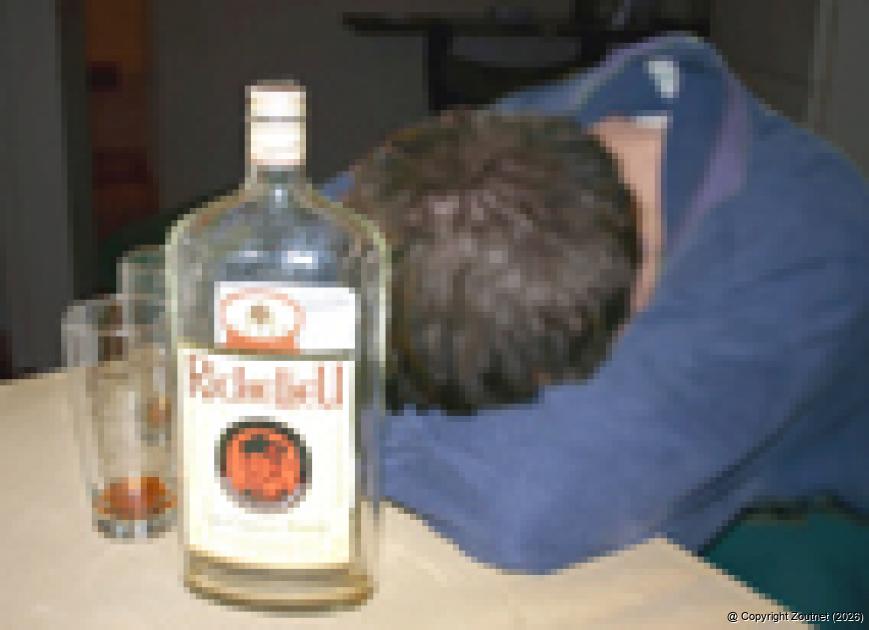
Teenage drinking seems to be a popular pastime in town.
Teenage drinking is like Russian roulette
News Date: 04 August 2006
Teenage drinking seems to be a popular pastime in town.
Some teenagers between the ages of 14 and 17 gave their opinions. So did a few experts. These included:
“The majority of children drink.”
“Twelve- or thirteen-year-olds who want to appear older, drink.”
“The teenagers in town drink over weekends; when they get a bit older, it sometimes becomes a thing of every night.”
“I became drunk because I wanted to ‘kuier’ with my friends.”
“We start to drink at home, then we do pub crawling.”
“I became so drunk I had a blackout. I was sick for a week.”
“I don’t drink, I think it is dumb to drink.”
Why do many teenagers drink? Local pastoral leader with experience in youth work Grant Clifton says that the teenagers drink alcohol to gain acceptance and because of peer pressure.
“It makes the guys feel rough and tough and they think that is what men are supposed to do. They say they do not only even like the taste, but they do it to get drunk. For some it is a form of escape. The mask comes of and the man inside comes out and some like the feeling of getting courage,” says Grant.
One 17-year-old said that you become the centre of attention when you are drunk and do funny stuff, while others get aggressive and start to fight.
Rev André Botha says the teens drink alcohol because they do not see anything wrong with it. It is a social problem since, in some cases, they drink with the consent of their parents.
Dr Anton Stroebel warns that the younger a child starts using alcohol the bigger the danger of developing alcoholism.
“The chances are so high that we say that no children should use alcohol before the age of 18,” Dr Stroebel says. That is in line with the legal position as well.
“If a liquor inspector should walk into some of these local places, he will close them all down because of the illegal drinking of the young children,” another adult said.
According to the Parenting Forum of the New York Times website, mounting research suggests that alcohol causes more damage to developing brains of teenagers than was previously thought, injuring them significantly more than it does adult brains. Studies found that alcoholic teenagers performed poorly in tests of verbal and nonverbal memory, focusing attention and exercising spatial skills (for example skills like those required to read a map or assemble a pre-cut bookcase).
What if a teenager wants to quit drinking?
“Get rid of your friends who like drinking. My brother was a great help to me to quit heavy drinking. I now drink a beer occasionally,” says one teenager.
“My church helped me” and “I don’t drink because of my faith,” are some of the answers. “Remember that a double brandy and coke costs R22; you will become bankrupt,” said one who considered the financial implication. “I go to a home party and take my own non-alcoholic drinks. They don’t pressure me,” was a piece of advice. “It is better not even to start,” was another.
“If you think drinking is a nice habit, you may soon awake to the realization that the habit controls you. You are playing Russian roulette,” says Dr Stroebel.
Written by
Linda van der Westhuizen
Linda van der Westhuizen has been with Zoutnet since 2001. She has a heart for God, people and their stories. Linda believes that every person is unique and has a special story to tell. It follows logically that human interest stories is her speciality. Linda finds working with people and their leaders in the economic, educational, spiritual and political arena very rewarding. “I have a special interest in what God is doing in our town, province and nation and what He wants us to become,” says Linda.

ADVERTISEMENT: