

ADVERTISEMENT:
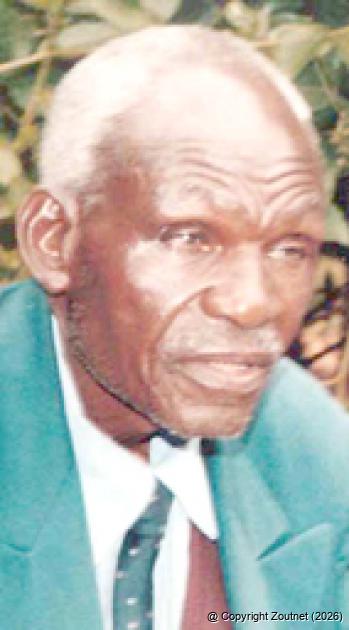
Great loss ... Mr Titus Magadani (88) was a traditional healer, master of initiation schools, businessman, farmer, freedom fighter, to name but a few.
Community mourns death of leader
News Date: 08 September 2006
The news of his death sent shockwaves through the community he served so well throughout his life. Although he looked a lot younger, despite his advanced age, Mr Titus Magadani (88) of Tshivhulani Village, near Sibasa, was a respected community leader who fulfilled different roles in community building.
He was a famous traditional healer, master of initiation schools, businessman, farmer, freedom fighter, to name but a few. Although he was not a traditional leader himself, he played a vital role in the establishment of Contralesa in Limpopo. He was also the founding member of the then Tshifhire Bakery, which emerged with a mighty business sound in the early eighties. Despite the fact that he was not educated, he financed countless community members to pursue their studies and most of them occupy senior positions in the public and private sectors.
Family members said Mgadani died a peaceful death since he realized his dream of meeting former state president Nelson Mandela and enjoyed lunch with him in 1992.
Magadani died on 28 August after a sudden illness. He was buried at his home village, Tshivhulani, at the weekend.
Initiation school songs, especially Hogo and Musevhetho, substituted the usual gospel hymns as Magadani was given a dignified traditional sendoff by more than 2 000 mourners. Speaker after speaker described him as a generous man and an active participant in his community’s affairs who had a vision early in his life and worked hard for the development of his own community.
Magadani was born at Tshivhulani on April 3, 1918. He went to work in Johannesburg in 1939 where he established himself as an informal businessman who sold traditional bracelets (malungu) from house to house. Within some years, he established a general dealer in Chiawelo. He decided to come back home and established himself as a farmer and businessman although he spent much of his time on traditional healing and initiation schools.
Magadani is survived by his four wives, 15 children, 44 grandchildren and four greatgrandchildren.
During the funeral, Headman Gilbert Tshikalange of Tshififi described Magadani as a community builder who was larger than life.
Headman Tshikalange continued: “He hated oppression and he was always on my side when I was deported to Kuruman on September 9, 1965. He publicly criticized the Black Administration Act of 1937 and financed the freedom fighters underground. Now that he is gone, we are afraid that no one will ever fill his shoes because he is irreplaceable. Heroes like these need to be acknowledged in public because their contributions in community development are eternal.”
Mr Mbengeni Mukwevho of Vhembe Livestock Association said Magadani was a hard worker who made farming a priority despite his advanced age. “Farmers have suffered a terrible blow, but we thank God for bringing Magadani into this world.”
Family representative Mashudu Ramawa said Magadani was a great fighter who would be missed dearly by the family and community members.
Hogo and Musevhetho songs became the order of the day as Magadani’s coffin was lowered into the cold earth at Tshivhulani graveyard.
Written by
Wilson Dzebu

ADVERTISEMENT: