

ADVERTISEMENT:
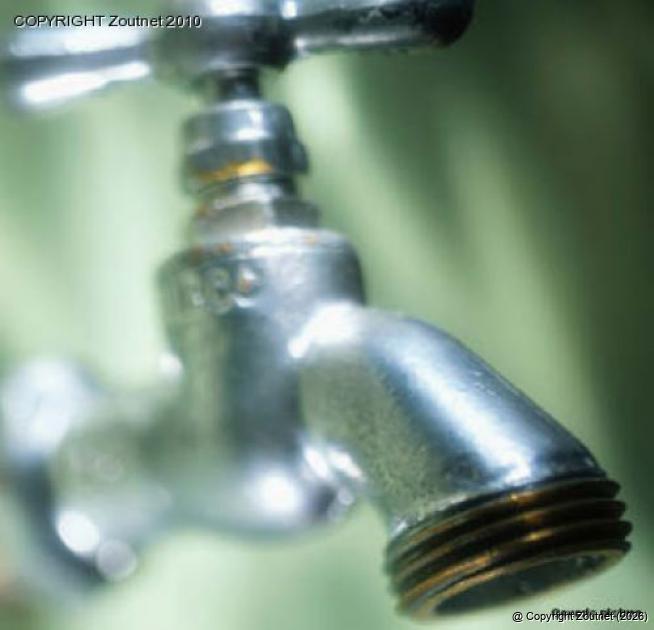
Hospital goes for weeks without water
News Date: 15 October 2010
A serious water crisis has hit the Beit Bridge District Hospital, with patients going for days without bathing, amid growing fears of a fresh cholera outbreak in the border town.
According to hospital officials and nurses, the crisis, which is now three weeks old, continues to affect daily operations, particularly in the theatre department and labour ward. “We have gone for three weeks without water at the hospital, to the extent that we can’t even do CD 4 counts, X-rays and procedures in theatre. This is really affecting our routine operations. You will also note that we no longer apply proper techniques to disinfect during the child deliveries, let alone washing linen for the patients most of whom last took a bath several days ago,’ said a nurse, who declined to named.
Another senior official who also spoke to Mirror, Mr Naison Moyo, said: “There is no running water at the hospital and the environment we are operating in is now a threat to both staff and patients, including members of the public who visit the hospital as the toilets are not functioning. We are sitting on a health time bomb that is ready to explode anytime if the problem is not urgently looked into.”
The hospital currently relies on a borehole, which was drilled by Unicef at the height of the cholera outbreak in 2008.
When Mirror visited the institution, dirty linen could be seen lined up on a washing line adjacent to the hospital kitchen. Most of the toilets are stinking while some have since been locked up, due to the lack of water. “Beit Bridge is prone to cholera outbreaks as we admit some patients with diarrhoea. Therefore, we are saying if this water problem is not addressed, people who would have come for treatment will end up being infected with such diseases,” said the official.
Beit Bridge District Hospital has a wide catchment area covering areas such as Maranda in the neighbouring Mwenezi District. The hospital also caters for the transit population, due its location in the border town.
The town’s obsolete water treatment plant has a capacity to pump only 6 000 cubic metres of water per hour yet the town requires at least 15 000 cubic metres per hour.
“Our water treatment plant can only pump a third of the required water supply. We are therefore busy working on a proposal to government and other NGOs so that we get funding to enhance capacity of the water treatment plant and come up with a lasting solution to the water crisis that continues to dog us,” Dr Sipho Singo said.
The upgrading of the treatment plant was shelved a long time ago due to a lack of funds. The town requires at least US$8 million to complete the project, which if finished, coupled with the proposed Zhovhe-Beit Bridge canal stretching for about 63 km, would help ease the water problems in the border town.
Meanwhile, the hospital is also operating with one ambulance, a development that continues to affect health service delivery in the district. The only ambulance, which is used in ferrying food for patients, staff and during immunization programmes, constantly breaks down, forcing patients to source their own transport to referral hospitals in Bulawayo.
The hospital has two other vehicles which are, however, grounded due to lack of funds to purchase the required spares.
Written by
Mashudu Netsianda
Mashudu Netsianda is our correspondent in Beit Bridge, Zimbabwe. He joined us in 2006, writing both local and international stories. He had worked for several Zimbabwean publications, as well as the Times of Swaziland. Mashudu received his training at the School of Mass Communication in Harare.

ADVERTISEMENT: