

ADVERTISEMENT:
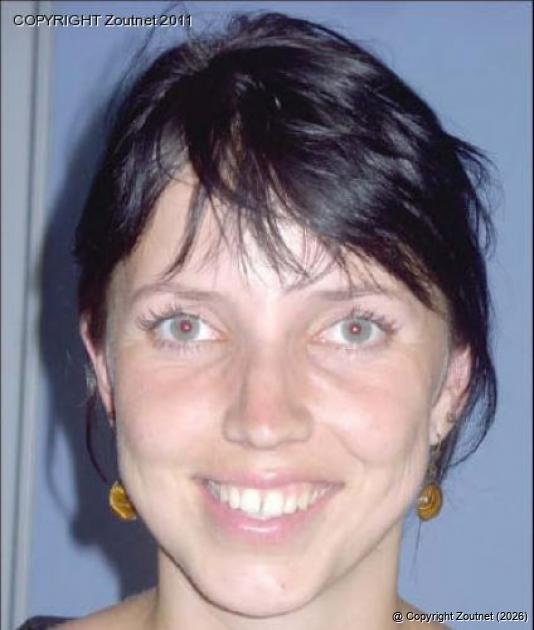
Research which can be vital to South Africa’s drastically reduced leopard population, is at present being conducted in the Soutpansberg region by Laura Tensen, a student of the Amsterdam University, as part of her studies for a master´s degree in ecology .
Research vital to leopard´s existence
News Date: 11 February 2011
Research which can be vital to South Africa’s drastically reduced leopard population, is at present underway in the Soutpansberg region. The region has the largest single surviving core population of leopards in the country.
The research which, amongst others, centres on the present state of the genetic diversity of South Africa’s leopard population, is being conducted by Laura Tensen, 24-year-old student of the Amsterdam University, as part of her studies for a master´s degree in ecology.
Tensen says the leopard population in South Africa has been reduced substantially in the past decade, mainly due to the high poaching rate, illegal trophy hunting, habitat fragmentation, agricultural development and human intrusion.
“Leopard numbers have dropped severely, and it appears that the present estimated leopard population of 4 250 individuals in South Africa is now fragmented into 10 core populations. The problems that are raised by this fact are mainly genetically based. Genes will reveal the vital answers to the questions: Is the genetic diversity dropping ? Are the core populations isolated from each other? Has isolation already caused the Southern Cape leopard to be so genetically different, that it should be treated as a subspecies?” states Tensen in her master´s thesis.
“Subpopulations are rather small, which could cause a substantial loss in genetic diversity. Genetic diversity and dispersal are important for species’ survival,” she says.
“To look at the genetic diversity of the leopard and to see if gene flow occurs amongst the core populations, one should look at DNA profiles. Hairs are useful tools because they can be collected from dead and living animals, from captive and wild individuals in a non-invasive way. Using DNA extracted from hair samples, we can detect how genetically diverse the South African leopard is and whether genetic structuring among core populations has already occurred.”
These findings can give an indication of conservation measures that could be taken to increase gene flow amongst core populations. It can be determined whether the leopard metapopulation is sufficient for maintaining their genetic diversity and whether restoration of dispersal routes to link the various core goups may be necessary.
Tensen says that, for the purpose of this study, as many hair samples as possible originating from South African leopards must be collected. To realize this, taxidermists and scientists from all over South Africa will be asked for help.
Tensen is at present conducting her Soutpansberg leopard research from dr. Ian Gaigher’s farm in the mountain range. Readers who can assist with hair samples can contact her at [email protected] or by SMS on 083 308 7027
Written by
Frans van der Merwe
Frans van der Merwe is a freelance journalist with more than 40 years experience in the newspaper industry. Apart from newspaper reporting, he was also involved with radio news, news reading, training and marketing. He has been living and working in Louis Trichardt since 1991.

ADVERTISEMENT: